Performance marketing

Performance marketing

The Future of Performance Marketing:

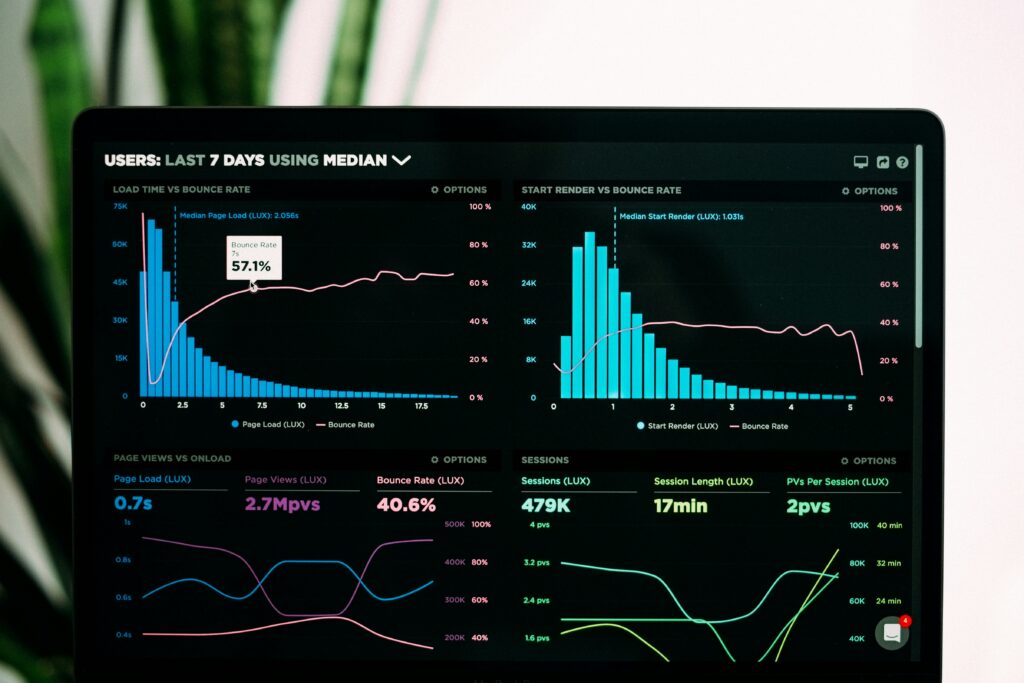
Performance marketing has evolved far beyond simple paid advertisements and cost-per-click models. In today’s competitive landscape, businesses must adopt a full-funnel performance marketing strategy that addresses every stage of the customer journey — from awareness to conversion to retention. This shift is helping brands generate higher-quality leads, increase lifetime value (LTV), and scale profitably.In this blog, we explore how full-funnel performance marketing works and why it is the future of digital growth. What Is Full-Funnel Performance Marketing? Traditional performance marketing focuses mainly on conversion-level actions like leads or sales.Full-funnel performance marketing expands this by optimizing every step of the buyer journey: Top of the Funnel (TOFU): Awareness Middle of the Funnel (MOFU): Consideration Bottom of the Funnel (BOFU): Conversion Post-Funnel: Retention and loyalty This holistic approach ensures that brands attract the right audience, nurture them effectively, and convert them at the highest possible rate. Why Full-Funnel Marketing Matters in 2025 Consumer behavior has changed rapidly: Attention spans are shorter Competition is higher Privacy restrictions limit tracking Users need multiple touchpoints before buying A full-funnel strategy helps businesses stay relevant, improve customer experience, and maximize ROI. Breaking Down the Funnel: Stage-by-Stage Strategy 1. Top of the Funnel (TOFU): Awareness Goal: Reach new audiences and introduce your brand. Effective TOFU channels: YouTube Ads Google Display Network Social media video ads Influencer collaborations Organic content amplification Metrics to track: Reach Impressions Video views Click-through rate (CTR) TOFU isn’t about instant conversions — it’s about planting the seed. 2. Middle of the Funnel (MOFU): Consideration Goal: Educate, nurture, and build trust. MOFU tools include: Retargeting ads Lead magnets Email nurturing flows Landing pages Product demos Case studies Metrics to track: Lead quality Time spent on page Engagement rate Cost per lead (CPL) At this stage, brands must provide value and answer user questions to move them closer to purchase. 3. Bottom of the Funnel (BOFU): Conversion Goal: Turn warm prospects into customers. High-impact BOFU strategies: Google Search Ads (high intent) Dynamic product ads Offer-based retargeting Testimonials and social proof Limited-time offers Metrics to track: Cost per acquisition (CPA) Return on ad spend (ROAS) Conversion rate Revenue BOFU is where performance marketing directly drives sales and revenue. 4. Post-Funnel: Retention & Loyalty Goal: Maximize the customer lifetime value (LTV). Retention strategies: Email remarketing Loyalty programs Upsell & cross-sell campaigns Personalized product recommendations WhatsApp re-engagement flows Metrics to track: Repeat purchase rate Customer lifetime value Average order value (AOV) Subscription renewals Retention is far cheaper — and more profitable — than constant new customer acquisition. Key Components of Full-Funnel Performance Marketing 1. Creative Strategy Visuals and messaging must evolve at each stage of the funnel — from broad awareness to trust-building to conversion. 2. Advanced Ad Targeting Use a mix of broad targeting, custom audiences, lookalikes, and retargeting. 3. Conversion-Optimized Landing Pages Each funnel stage needs its own landing experience. 4. Seamless Tracking Setup Use: Google Analytics 4 Meta Pixel Conversion APIs CRM tracking Server-side data collection 5. Ongoing Optimization Performance marketing is a daily process of: A/B testing Bid adjustments Audience refinement Creative optimization Benefits of a Full-Funnel Performance Strategy Higher-quality leads Better customer experience Increased conversion rate More predictable scaling Lower customer acquisition cost Higher lifetime value Stronger brand trust Conclusion Performance marketing in 2025 is not about quick actions — it’s about building a scalable, long-term growth engine.A full-funnel strategy ensures that brands reach the right people, nurture them effectively, convert them efficiently, and retain them profitably. Businesses that embrace this holistic approach will dominate digital growth in the coming years. Another critical reason full-funnel performance marketing is gaining importance is the rising cost of paid advertising. As platforms like Google and Meta become more competitive, relying only on bottom-funnel conversion ads often leads to higher CPAs and unstable results. By warming up audiences at the awareness and consideration stages, brands reduce friction at the conversion stage, improve ad efficiency, and create a more predictable performance system. This approach not only lowers dependency on aggressive offers but also builds long-term brand equity alongside measurable performance outcomes. Full-funnel performance marketing also enables better data-driven decision-making across the entire customer journey. Instead of analyzing campaigns in isolation, marketers can identify which touchpoints influence conversions, where users drop off, and which channels contribute most to long-term revenue. This visibility allows brands to allocate budgets more intelligently, align marketing and sales efforts, and continuously refine their strategy based on real user behavior rather than assumptions.


Performance Marketing for Lead Generation
Performance marketing

Performance Marketing for Lead Generation: A Complete Guide to Scalable Growth

In today’s competitive digital landscape, generating high-quality leads is more challenging than ever. Businesses no longer want traffic for the sake of traffic — they want measurable results. This is where performance marketing for lead generation becomes a powerful growth strategy. Unlike traditional marketing, performance marketing focuses on trackable actions such as form fills, sign-ups, demo requests, or inquiries. In this guide, we’ll explore how performance marketing works for lead generation, why it’s effective, and how businesses can implement it successfully. What Is Performance Marketing for Lead Generation? Performance marketing for lead generation is a data-driven digital marketing approach where advertisers pay only when a specific action (lead) is completed. These actions may include: Contact form submissions Free trial sign-ups Webinar registrations App installs Demo or consultation requests The main goal is to generate qualified, intent-driven leads while maintaining a controlled cost per lead (CPL). Why Performance Marketing Is Ideal for Lead Generation Performance marketing is highly effective for lead generation because it is: ROI-focused – You pay for results, not assumptions Highly measurable – Every lead is tracked and analyzed Scalable – Campaigns can be scaled once profitable Audience-targeted – Ads reach users most likely to convert Optimizable – Continuous testing improves lead quality This makes it ideal for startups, service-based businesses, SaaS companies, and enterprises alike. How Performance Marketing for Lead Generation Works A successful lead generation system typically follows this flow: Targeted Traffic → Optimized Landing Page → Lead Capture Form → Tracking & Attribution → Lead Nurturing & Conversion Each step is optimized to reduce friction and improve conversion rates. Best Channels for Performance Marketing Lead Generation 1. Google Search Ads (High Intent) Google Search Ads are one of the most effective channels for lead generation because users are actively searching for solutions. Best for: Service businesses B2B leads High-intent keywords Example keywords: “performance marketing agency” “digital marketing services near me” 2. Meta Ads (Facebook & Instagram) Meta platforms are excellent for top and mid-funnel lead generation. Lead formats include: Instant lead forms Landing page conversions WhatsApp lead campaigns Best for: B2C brands Local businesses Awareness + retargeting 3. LinkedIn Ads (B2B Lead Generation) LinkedIn is highly effective for decision-maker targeting. Best for: B2B services SaaS products High-ticket offers Although CPCs are higher, lead quality is often superior. 4. YouTube & Display Ads These channels work best for top-of-funnel awareness and retargeting. Use cases: Brand awareness Educational content Warm audience nurturing Landing Pages: The Core of Lead Generation No performance marketing strategy works without a conversion-optimized landing page. A high-performing lead generation landing page should have: Clear value proposition Simple and short lead form Strong CTA (Call to Action) Social proof (testimonials, reviews) Fast loading speed Mobile-friendly design The landing page experience directly impacts CPL and lead quality. Key Metrics to Track in Performance Marketing for Lead Generation Tracking the right metrics is critical for success. Essential KPIs include: Cost Per Lead (CPL) Conversion Rate Click-Through Rate (CTR) Lead Quality Score Return on Ad Spend (ROAS) Lead-to-Customer Conversion Rate These metrics help optimize campaigns for both volume and quality. Lead Quality vs Lead Quantity: Finding the Balance One common mistake in performance marketing is focusing only on cheap leads. Low CPL does not always mean high ROI. To improve lead quality: Use intent-based keywords Ask qualifying questions in forms Segment audiences properly Align ad messaging with landing page content Integrate CRM and sales feedback Quality leads drive long-term revenue, not just numbers. Retargeting: Turning Leads into Customers Not every lead converts immediately. Retargeting plays a major role in performance marketing. Effective retargeting strategies include: Email follow-up sequences WhatsApp remarketing Facebook & Google retargeting ads Personalized offers Retargeting reduces acquisition costs and increases lifetime value (LTV). Common Mistakes to Avoid Sending traffic to a homepage instead of a landing page Poor tracking setup Ignoring mobile users Overloading forms with too many fields Not testing creatives and audiences Avoiding these mistakes can significantly improve campaign performance. Benefits of Performance Marketing for Lead Generation Predictable and scalable lead flow Better budget control Higher-quality leads Faster optimization cycles Clear ROI visibility This makes it one of the most reliable digital growth strategies in 2025 and beyond. Conclusion Performance marketing for lead generation is not just about running ads — it’s about building a conversion-focused, data-driven system that attracts, captures, and nurtures the right audience. When executed correctly, it delivers consistent leads, lower acquisition costs, and sustainable business growth. Businesses that invest in performance-led strategies today will gain a strong competitive advantage in the digital marketplace.

What Is Performance Marketing
Performance marketing

What Is Performance Marketing? A Complete Beginner’s Guide

In today’s data-driven digital world, businesses no longer want to spend money on marketing without knowing the results. This is where performance marketing comes into play. But what is performance marketing, and why has it become one of the most powerful digital marketing strategies? In this blog, we’ll break down performance marketing in a simple, beginner-friendly way and explain how it works, its benefits, channels, and why it matters in 2025 and beyond. What Is Performance Marketing? Performance marketing is a digital marketing strategy where advertisers pay only when a specific, measurable action is completed. These actions can include: Website clicks Lead form submissions App installs Sales or purchases Demo or consultation requests Unlike traditional advertising, where brands pay upfront for exposure, performance marketing ensures that every marketing rupee is tied to a result. How Performance Marketing Works Performance marketing follows a result-focused approach: A brand runs ads on digital platforms Users interact with the ad A specific action is tracked (click, lead, sale) The advertiser pays based on performance This makes performance marketing highly measurable, transparent, and scalable. Key Channels Used in Performance Marketing 1. Search Engine Marketing (SEM) Platforms like Google Ads target users with high purchase intent, making them ideal for lead generation and sales. 2. Social Media Advertising Facebook, Instagram, and LinkedIn allow precise audience targeting based on interests, behavior, and demographics. 3. Affiliate Marketing Brands partner with affiliates who earn a commission for every successful conversion they generate. 4. Display & Video Advertising Used mainly for awareness and retargeting to support full-funnel performance strategies. Performance Marketing vs Traditional Marketing Performance Marketing Traditional Marketing Pay for results Pay for exposure Real-time tracking Limited measurement ROI-focused Brand-focused Scalable campaigns Fixed budget outcomes Performance marketing gives businesses greater control over their marketing investments. Common Performance Marketing Metrics To measure success, marketers track: Cost Per Click (CPC) Cost Per Lead (CPL) Cost Per Acquisition (CPA) Conversion Rate Return on Ad Spend (ROAS) These metrics help optimize campaigns for better results. Benefits of Performance Marketing Measurable ROI Budget control Scalable growth Data-driven decisions Better targeting Faster optimization Because of these advantages, performance marketing is widely used by startups, SMEs, and large enterprises. Full-Funnel Performance Marketing Modern performance marketing goes beyond just conversions. A full-funnel approach includes: Awareness: Reaching new audiences Consideration: Educating and nurturing users Conversion: Driving leads or sales Retention: Maximizing customer lifetime value This strategy ensures sustainable, long-term growth. Is Performance Marketing Right for Your Business? Performance marketing works best for businesses that want: Trackable results Lead or sales-focused growth Predictable ROI Scalable marketing systems Whether you’re running a service business, eCommerce store, SaaS product, or personal brand, performance marketing can be tailored to your goals. Conclusion So, what is performance marketing?It’s a results-driven digital marketing approach that focuses on measurable actions, controlled costs, and scalable growth. In 2025 and beyond, businesses that prioritize performance-led strategies will outperform competitors by making smarter, data-backed marketing decisions.

Scroll to Top